our courses



Briyani preparation
Course duration of 30 days with complete guidance to prepare Briyani
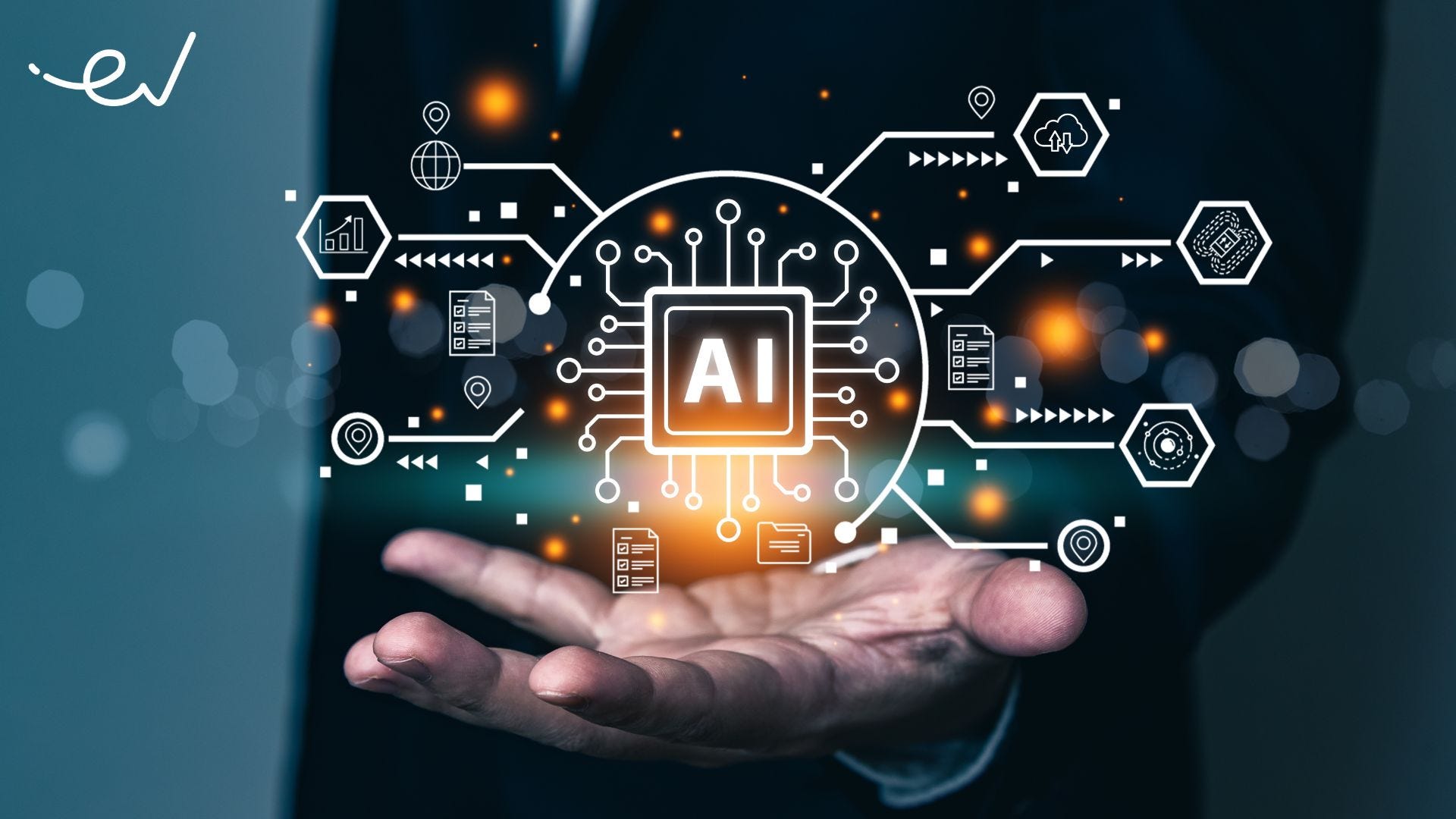
Artificial Intelligence Fundamentals
This course provides a comprehensive introduction to Artificial Intelligence (AI), its principles, methods, and real-world applications. Students will explore the foundations of AI including problem-solving, knowledge representation, search strategies, and reasoning. The course also covers essential machine learning techniques, neural networks, natural language processing, and computer vision.
In addition to technical foundations, the course highlights ethical considerations, industry use-cases, and future trends in AI. By the end of the course, learners will gain the knowledge and practical skills required to understand AI systems and apply AI concepts in solving real-world problems.
Selenium Java
The Selenium with Java course is designed to equip learners with the skills to automate web application testing using Selenium WebDriver in combination with Java programming. This course bridges the gap between manual testing and automation, helping QA professionals, developers, and aspiring testers build robust automation frameworks.
Students will start with the fundamentals of Java relevant to Selenium, then progress to WebDriver basics, element locators, and handling different types of web elements. The course covers synchronization techniques, cross-browser testing, handling alerts, frames, and windows, as well as working with TestNG for test management and reporting.
Advanced sections introduce learners to Page Object Model (POM), Data-Driven Testing (DDT), Maven integration, Jenkins CI/CD pipeline, and best practices for automation frameworks.
By the end of the course, participants will be able to write efficient test scripts, automate complex workflows, and integrate Selenium into a complete testing strategy.
JavaScript for Web
The JavaScript for Web course introduces learners to the most essential programming language for modern web development. Designed for beginners and intermediate learners, the course covers how JavaScript powers interactive websites, dynamic content, and seamless user experiences.
Students will explore core JavaScript concepts such as variables, data types, operators, functions, loops, and events, before progressing into DOM manipulation, event handling, form validation, and API integration. The course also introduces modern features like ES6+ syntax, modules, and asynchronous programming.
Through practical projects, learners will gain hands-on experience building dynamic webpages, interactive forms, and simple applications that run directly in the browser.
By the end of the course, participants will have the skills to create engaging, responsive, and user-friendly websites using JavaScript and be well-prepared to move into frameworks and advanced libraries.
Full Stack Web Development
Our Full Stack Web Development training is designed to transform learners into proficient web developers capable of building robust, scalable, and dynamic applications from scratch. This end-to-end course covers both frontend and backend technologies, starting with the building blocks of the web and progressing to advanced frameworks and databases.
💻 Frontend Development
✅ HTML (HyperText Markup Language)
HTML is the foundational structure of all web pages. You’ll learn how to structure content using semantic tags, forms, tables, multimedia elements, and accessibility best practices. We also explore SEO-friendly structuring techniques to ensure visibility and performance.
✅ CSS (Cascading Style Sheets)
CSS is used to style and layout HTML elements. You’ll master responsive design using media queries, Flexbox, and Grid, along with animations, transitions, and custom themes. Frameworks like Bootstrap may also be introduced for rapid UI development.
✅ JavaScript (JS)
JavaScript adds interactivity and functionality to web pages. From basic syntax and DOM manipulation to ES6+ features like arrow functions, promises, and async/await, you’ll gain hands-on experience with client-side scripting that powers modern web experiences.
✅ React.js (Frontend Framework)
React is a powerful JavaScript library for building interactive UIs. You’ll build dynamic single-page applications (SPAs) using reusable components, props, state management, React Hooks, and routing. We'll also integrate APIs to handle real-time data and use tools like Vite or Webpack for project bundling.
🌐 Backend Development
✅ Node.js + Express.js
Node.js enables JavaScript on the server-side. Combined with Express.js, a minimalist backend framework, you'll learn how to build RESTful APIs, handle authentication, manage sessions, and structure scalable applications with middleware and route control.