our courses



SEO for Beginners
The SEO for Beginners course introduces learners to the fundamentals of Search Engine Optimization (SEO), providing the knowledge and tools needed to improve a website’s visibility in search engines.
Starting with the basics of how search engines work, learners will explore on-page optimization (keywords, content structure, meta tags, internal linking), off-page SEO (backlinks, authority building), and technical SEO (site speed, mobile-friendliness, indexing, sitemaps).
The course also covers SEO tools like Google Search Console, Google Analytics, and keyword research platforms, helping students track and measure performance. Special attention is given to content strategies, SEO-friendly writing, and avoiding common pitfalls like keyword stuffing or duplicate content.
By the end of the course, participants will have a practical understanding of SEO strategies and be able to apply them to optimize websites, improve rankings, and attract organic traffic.

Digital Marketing Mastery
The Digital Marketing Mastery course is designed to equip learners with a complete understanding of modern digital marketing strategies, tools, and platforms. Covering the fundamentals to advanced techniques, this program focuses on building practical skills for creating, managing, and optimizing digital marketing campaigns.
Students will explore SEO (Search Engine Optimization), SEM (Search Engine Marketing), Social Media Marketing, Content Marketing, Email Marketing, Influencer Marketing, and Web Analytics. The course also emphasizes branding, customer engagement, and performance measurement to drive growth and maximize ROI.
Through hands-on projects, learners will gain real-world experience with popular tools such as Google Analytics, Google Ads, Facebook Ads Manager, and SEO optimization tools, preparing them for careers in digital marketing or entrepreneurial ventures.
By the end of the course, participants will be able to plan, execute, and measure digital marketing strategies that build strong online presence and deliver measurable results.

Investment Strategies for Beginners
The Investment Strategies for Beginners course is designed to help newcomers understand the fundamentals of investing and build a strong financial foundation. This program introduces learners to the world of stocks, bonds, mutual funds, ETFs, real estate, and retirement accounts, while focusing on practical strategies to grow wealth over time.
Students will learn key concepts such as risk vs. reward, diversification, compounding, asset allocation, market psychology, and long-term wealth building. The course emphasizes real-world applications, helping participants set financial goals, manage risk, and choose the right investment vehicles based on their personal needs.
By the end of the course, learners will gain the confidence to make informed financial decisions, avoid common beginner mistakes, and create a personal investment plan tailored to their financial future.

Personal Finance 101
The Personal Finance 101 course provides a practical foundation for managing money, building wealth, and achieving financial security. Designed for students, young professionals, and anyone seeking financial independence, this course simplifies essential money concepts and turns them into actionable steps.
Learners will explore budgeting, saving, debt management, credit scores, investing basics, and retirement planning. The course also covers real-world applications such as creating emergency funds, setting financial goals, managing loans, and understanding insurance.
Interactive activities, case studies, and tools like budgeting templates and calculators help learners apply concepts directly to their own lives.
By the end of the course, participants will have the knowledge and confidence to make smart financial decisions, avoid common money mistakes, and create a long-term financial plan for stability and growth.
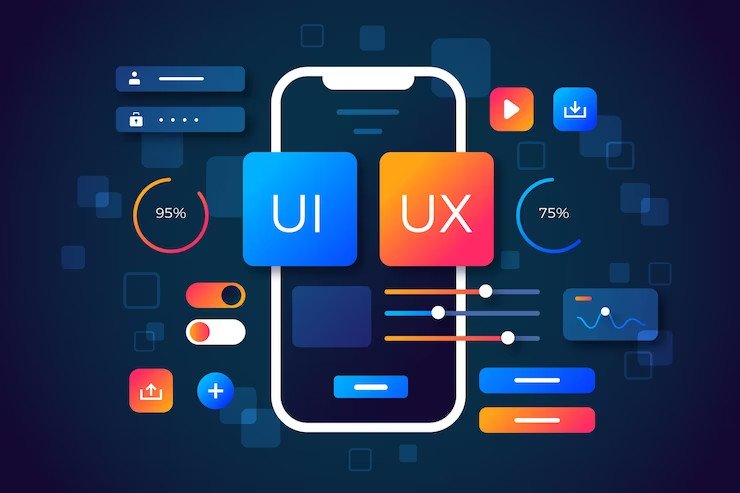
UI/UX Fundamentals
The UI/UX Fundamentals course introduces learners to the core principles of User Interface (UI) and User Experience (UX) design, helping them create intuitive, engaging, and user-friendly digital products.
The course begins with the foundations of UX design, covering user research, personas, and journey mapping to understand user needs. It then explores UI principles, such as layout, color theory, typography, and visual hierarchy, ensuring that interfaces are both aesthetically pleasing and functional.
Students will also learn about wireframing, prototyping, and usability testing, along with industry-standard tools like Figma, Sketch, or Adobe XD. Emphasis is placed on creating accessible, responsive, and inclusive designs across devices.
By the end of the course, learners will have the skills to design seamless user experiences, craft visually consistent UI elements, and apply design thinking methodologies to real-world projects.
Graphic Design Bootcamp
The Graphic Design Bootcamp is an intensive, hands-on course designed to introduce learners to the core principles and tools of modern graphic design. This program focuses on developing creativity, visual communication skills, and technical expertise using industry-standard software such as Adobe Photoshop, Illustrator, and InDesign (or free alternatives like Canva, GIMP, and Figma).
Students will learn the fundamentals of design theory, typography, color psychology, branding, image editing, digital illustration, and layout design. The course emphasizes practical projects, including creating logos, posters, social media graphics, marketing materials, and digital artwork.
By the end of the bootcamp, learners will build a professional design portfolio showcasing their creative skills and will be prepared to take on real-world graphic design projects in freelance, corporate, or entrepreneurial settings.